• Link to Facebook
Call now on 01865 238198
The Howat Protocols of Cranio Fascial Dynamics
  • WELCOME
  • ABOUT CFD
  • MEET THE TEAM
    • JONATHAN HOWAT
    • THE TEAM
  • TRAINING & COURSES
  • CFD MERCHANDISE
  • CONTACT
  • Click to open the search input field Click to open the search input field Search
  • Menu Menu
Scroll to next section Scroll to next section

About Cranio Fascial Dynamics

Cranio Fascial Dynamics (CFD) was developed by Jonathan Howat following extensive clinical research beginning in 2004.

It examines how trauma and accumulated mechanical stress may influence the craniospinal fascial system, neurological pathways, and vascular and cerebrospinal fluid (CSF) circulation.

CFD aims to support structural balance and the body’s capacity to maintain neurological and physiological equilibrium.
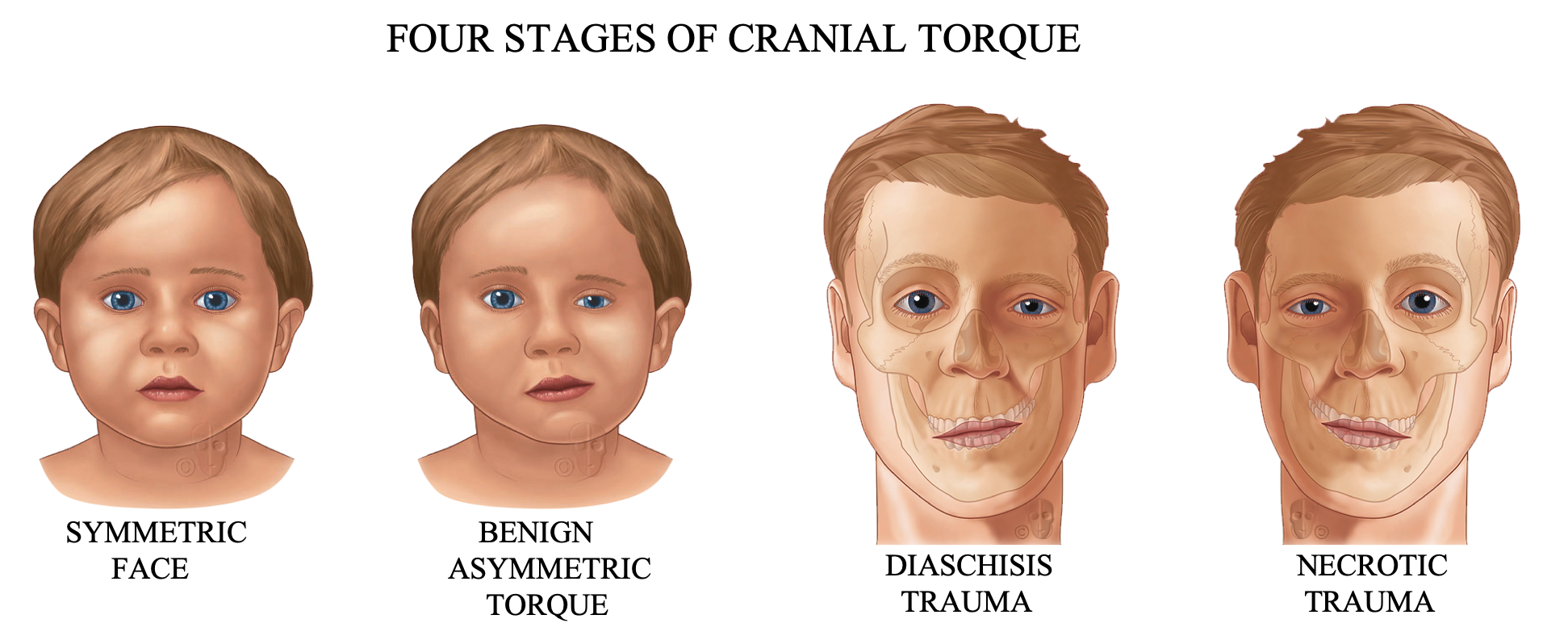
CFD Four Stages of Cranial Torque
Scroll to next section Scroll to next section

Cranial Torque & Trauma

The cranial and spinal systems function as an integrated unit.

Across the lifespan, trauma may contribute to fascial distortion, dural membrane torque, and altered fluid dynamics. These changes may influence neurological balance.

Contributing factors may include:

• Birth-related stress
• Concussion and TBI
• Whiplash injuries
• Dental and postural imbalance
• Repetitive biomechanical strain

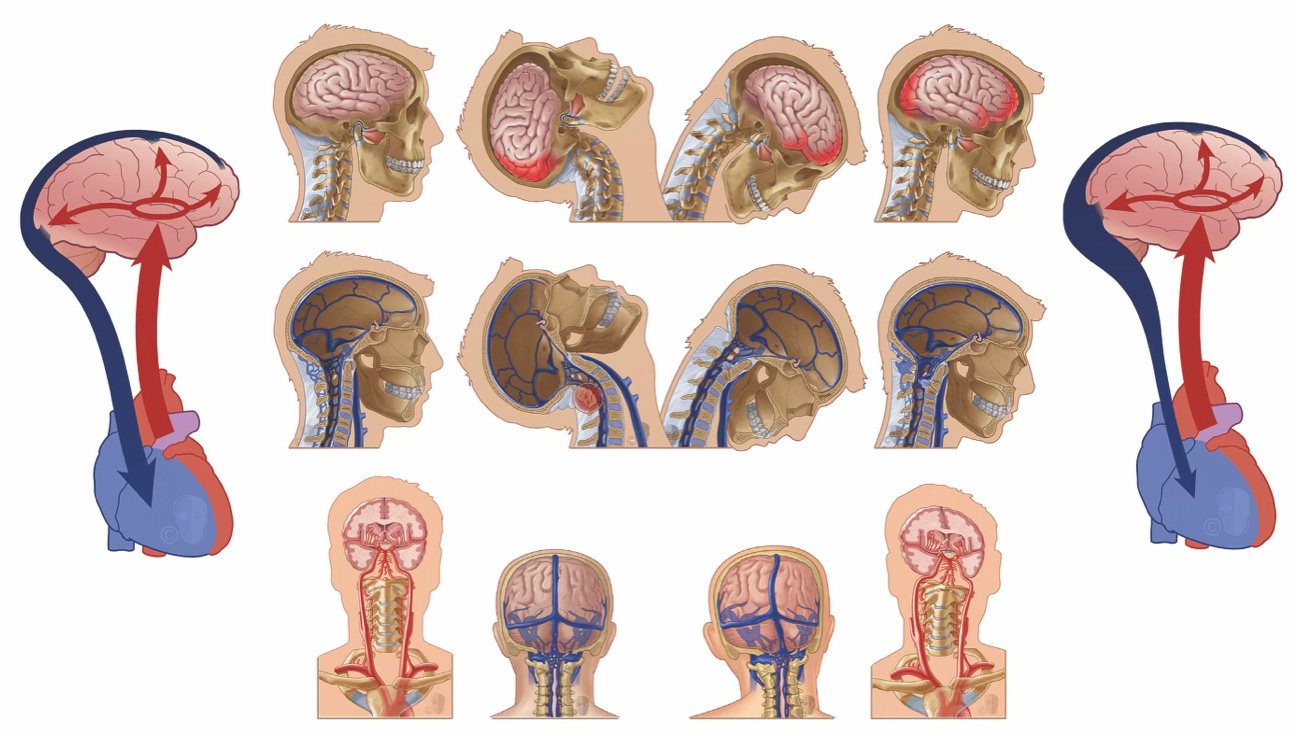
CFD whiplash malocclusion torque
Scroll to next section Scroll to next section

Whiplash and head trauma compromising cranial arterial inflow and venous drainage

Why Cranial Circulation Matters

Neurological function depends on both structural integrity and balanced cranial fluid dynamics.

When vascular or CSF circulation is altered, fluid exchange may be affected. This may influence intracranial pressure regulation, recovery capacity, and overall resilience.

CFD focuses on supporting structural relationships that may promote efficient circulation and neurological homeostasis.

Scroll to next section Scroll to next section

The Brainstem & Fascial System

The head and neck function as one continuous craniospinal unit, with structural, fascial, and neurological relationships closely integrated.

At the centre of this system is the brainstem – comprising the medulla oblongata, pons, and midbrain – which serves as the primary link between the cerebral cortex and the spinal cord. Major ascending and descending pathways pass through this region, making it a critical hub for communication within the nervous system.

Trauma affecting the head or cervical region may influence surrounding fascial structures and the circulation associated with them. Given the concentration of neural pathways in this area, changes in these relationships may have wide-ranging neurological implications.

Supporting balanced fascial relationships within the cranial and cervical regions is therefore an important consideration in maintaining craniospinal integrity.
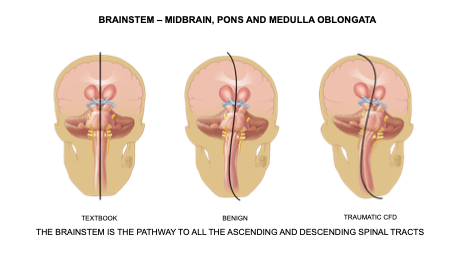
Brainstem - Midbrain, Pons and Medulla Oblongata
Scroll to next section Scroll to next section

The Howat 8 Step Protocol

The Howat 8 Step Protocol is a gentle, non-invasive method applied intraorally and around the cranium. It is designed to assess and support structural and fascial relationships within the cranial system.

The objectives of the protocol include:

  • Reducing torque patterns
  • Supporting dural membrane dynamics
  • Restoring fascial balance
  • Promoting neurological and vascular homeostasis

Clinical application respects the body’s natural adaptive capacity, working with existing physiological processes to support structural balance and functional integration.

Continuing the Vision

Today, Cranio Fascial Dynamics continues through HPCFD under the leadership of Katherine Howat, supported by a faculty of practitioners trained directly by Jonathan Howat.

Together, they are committed to preserving the integrity of his work while continuing to refine and share the principles of CFD with chiropractors around the world. Through structured training and mentorship, this approach is being carried forward with the same clinical curiosity, responsibility, and dedication that shaped its origins.

Their work ensures that future generations of practitioners can learn, apply, and further develop Cranio Fascial Dynamics with clarity, confidence, and respect for the foundations on which it was built.

The Howat Protocols of Cranio Fascial Dynamics

The Howat Protocols of Cranio Fascial Dynamics (HPCFD) was established in 2019 to support the work of Jonathan Howat.

HPCFD is committed to continuing development of Cranio Fascial Dynamics (CFD) relating to the intricacies of traumatic brain injuries (TBI), through research, education and certified training courses.

Contact Us

St Luke’s Hospital
Latimer Road
Headington
Oxford
OX3 7PF

01865 238198
office@craniofascialdynamics.com

Copyright

All intellectual material on this site, both written or graphical, is copywritten to Jonathan Howat, and remains as the intellectual property of The Howat Protocols of Cranio Fascial Dynamics. It is not to be copied in any form, including electronically, without written permission.

Our Privacy Policy can be found here: Privacy Policy

© Copyright - The Howat Protocols of Cranio Fascial Dynamics
  • Link to Facebook
Scroll to top Scroll to top Scroll to top

This site uses cookies. By continuing to browse the site, you are agreeing to our use of cookies.

OKLearn more

Cookie and Privacy Settings


How we use cookies

We may request cookies to be set on your device. We use cookies to let us know when you visit our website, how you interact with us, to enrich your user experience, and to customise your relationship with our website.

Click on the tabs (left) to find out more. You can also change some of your preferences. Note that blocking some types of cookies may impact your experience on our websites and the services we are able to offer.

Google Analytics Cookies

These cookies collect information that is used either in aggregate form to help us understand how our website is being used or how effective our marketing campaigns are, or to help us customize our website and application for you in order to enhance your experience.

If you do not want that we track your visist to our site you can disable tracking in your browser here:

Privacy Policy

You can read about our cookies and privacy settings in detail on our Privacy Policy Page:

Privacy Policy
Accept settingsHide notification only