
Cranio Fascial Dynamics (CFD)
Advanced CPD for Chiropractors
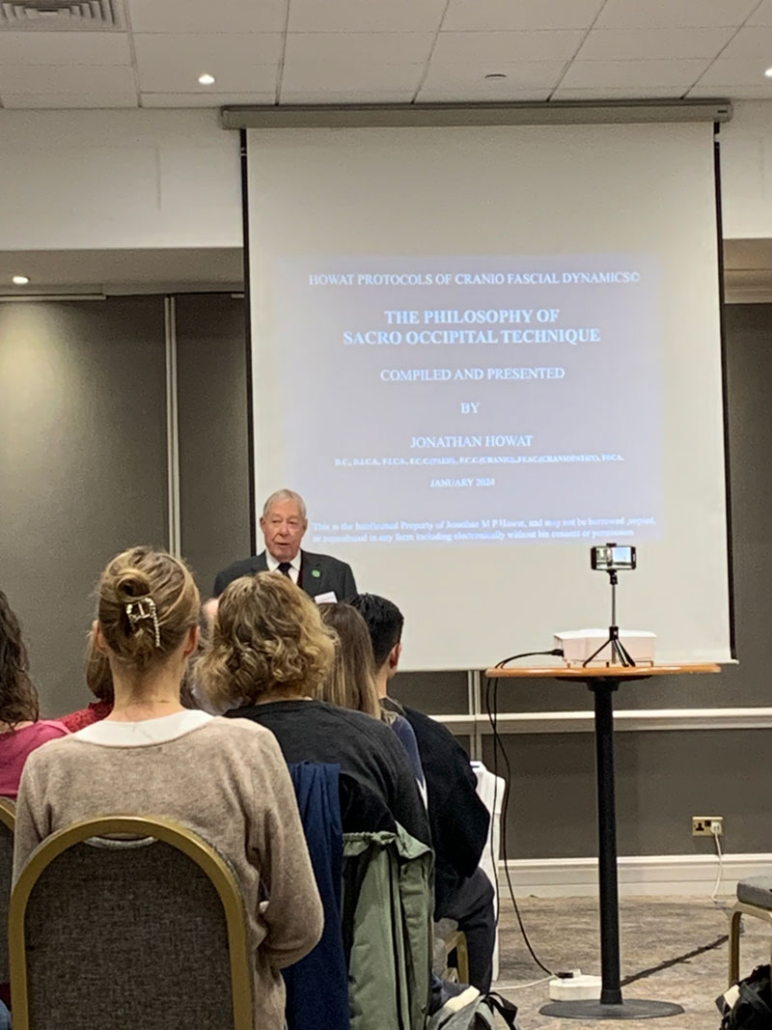
The Howat Protocols of Cranio Fascial Dynamics offers a structured certification programme in Cranio Fascial Dynamics, including the complete Howat 8 Step Protocol developed by Jonathan Howat.
This training provides chiropractors with a clear and practical framework for assessing cranial fascial distortion and its possible neurological implications.
Course Structure
The certification programme consists of 8 modules, combining theory with supervised clinical practice.
The course develops:
✔ Understanding of cranial and neurological anatomy
✔ Clinical assessment skills
✔ Practical application of the Howat 8 Step Protocol
✔ Confidence in clinical delivery
How the Training is Delivered
Modules 1–7: Online Learning
Study at your own pace. Each module includes:
- Recorded lectures
- Supporting materials
- Guided learning
- Online assessments
Successful completion of Modules 1–7 allows progression to the practical seminar.
Module 8: Practical Clinical Seminar
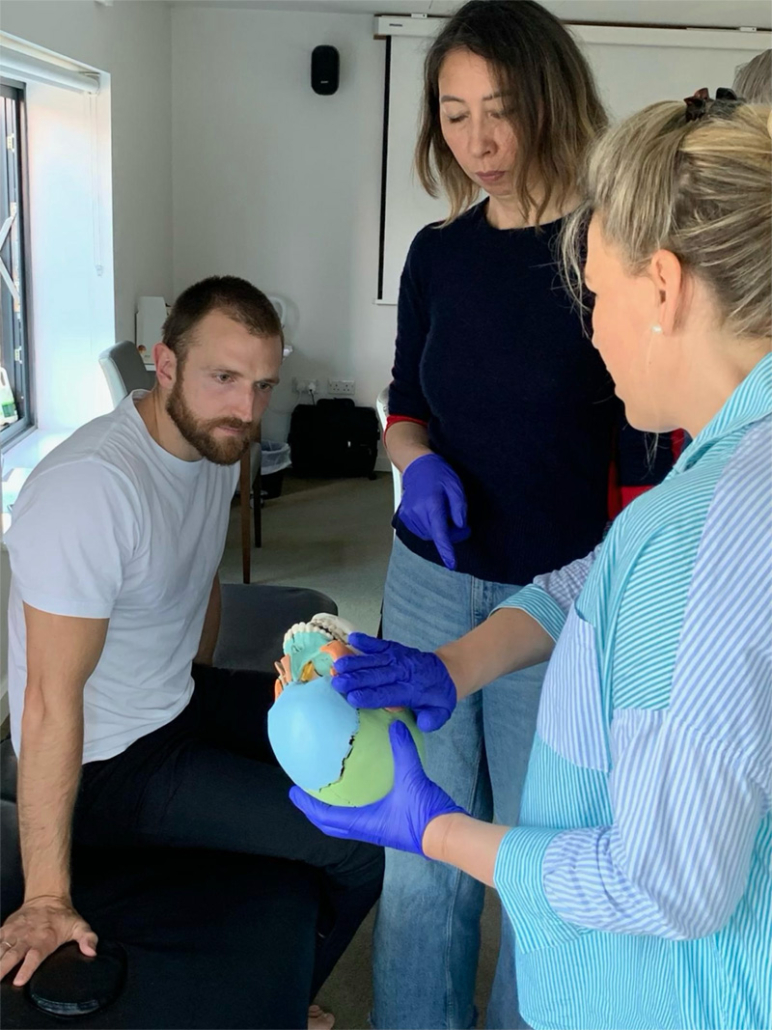
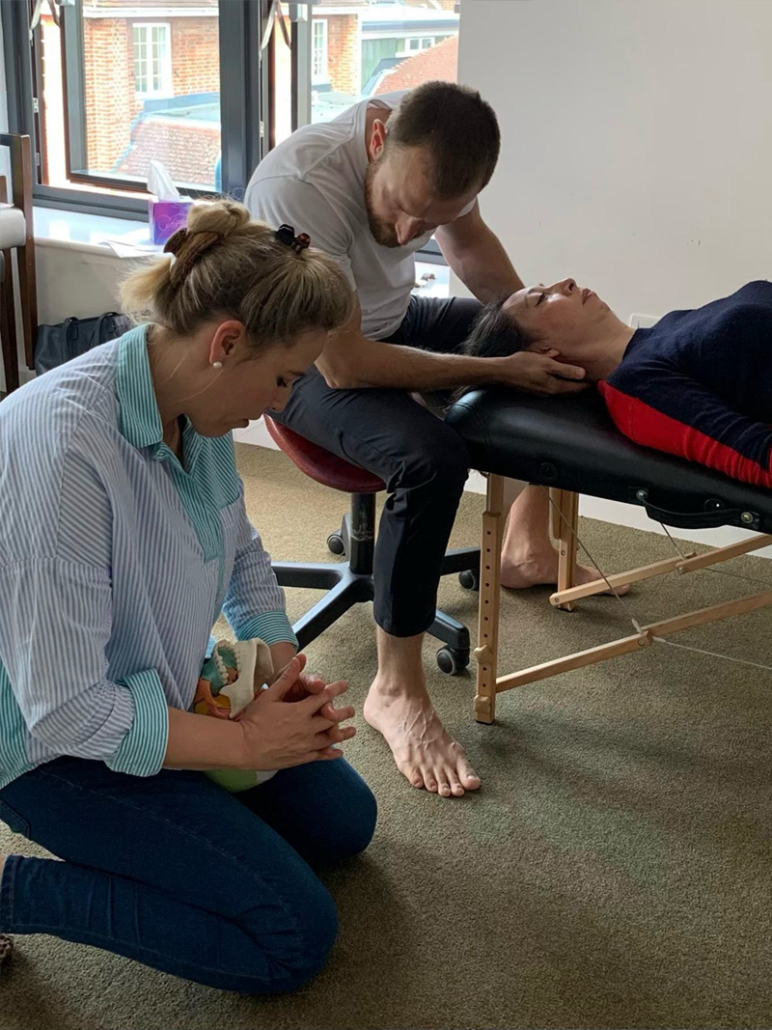
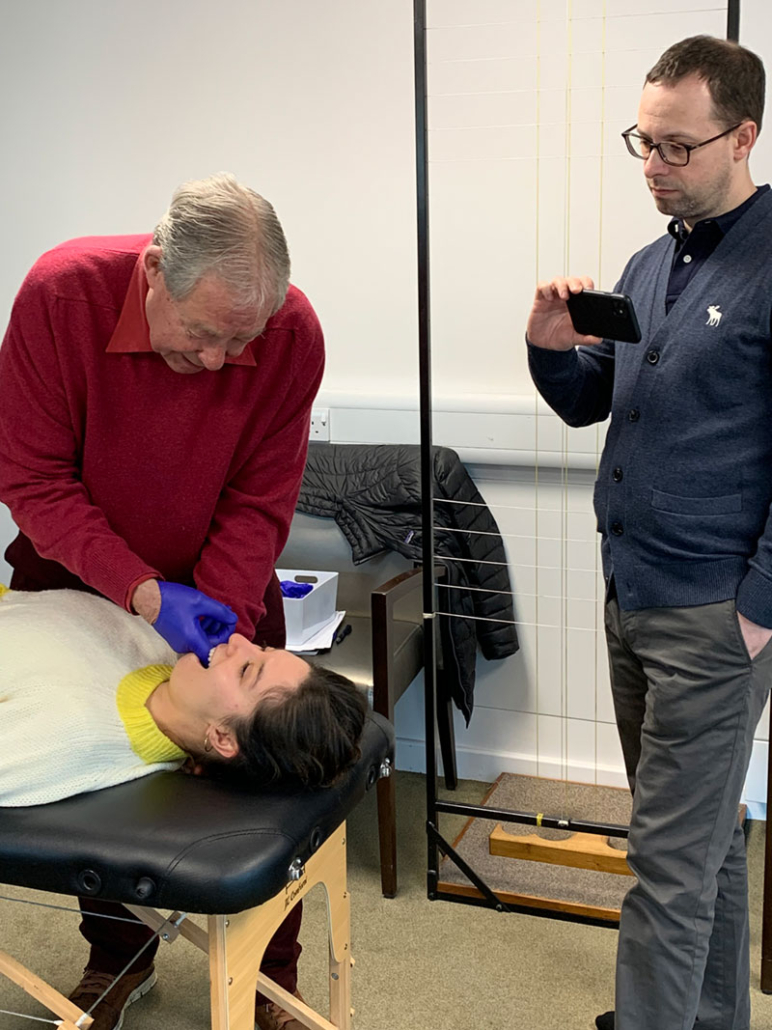
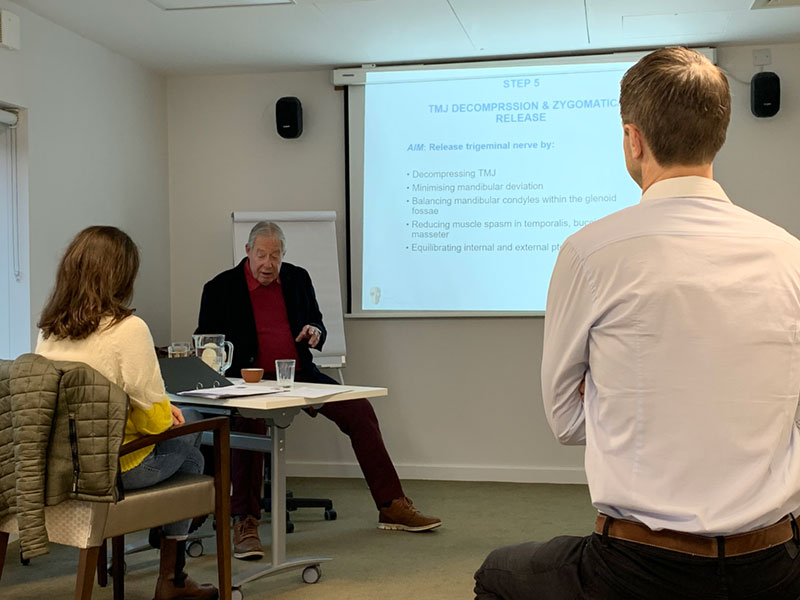
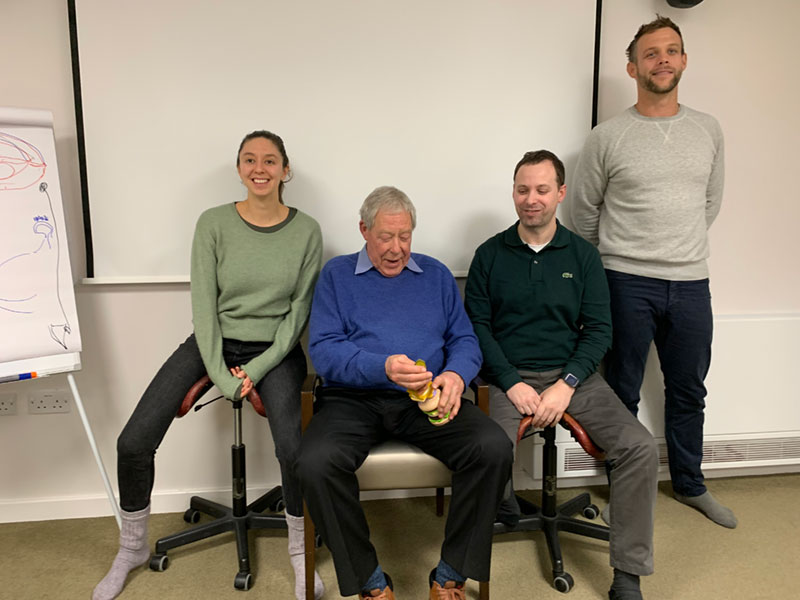
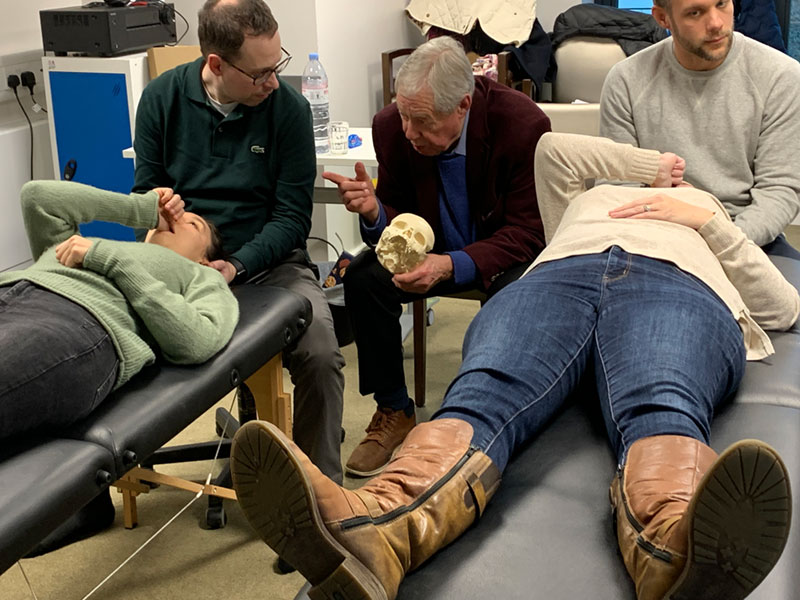
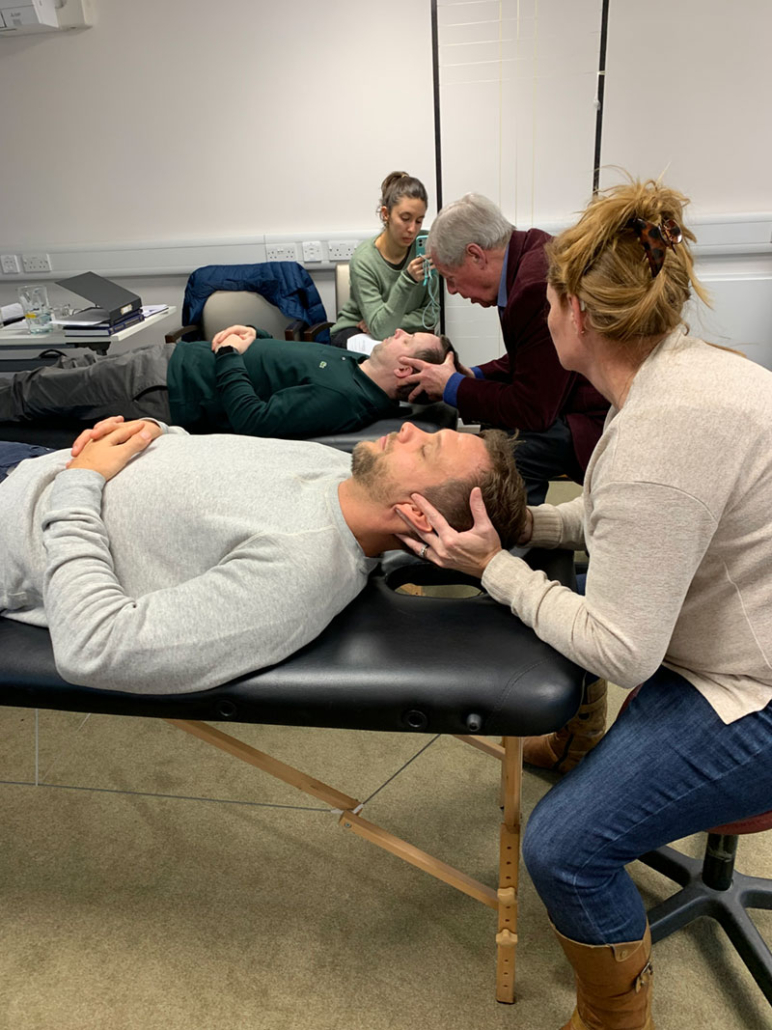
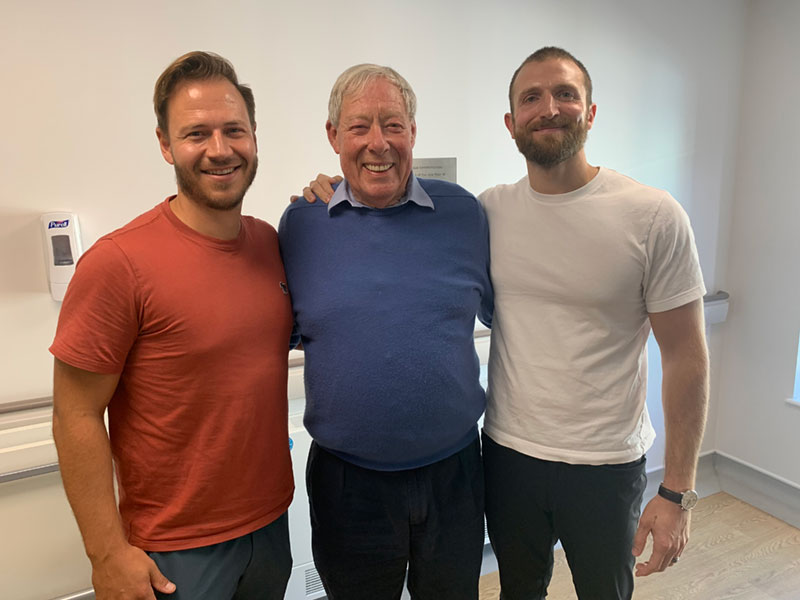
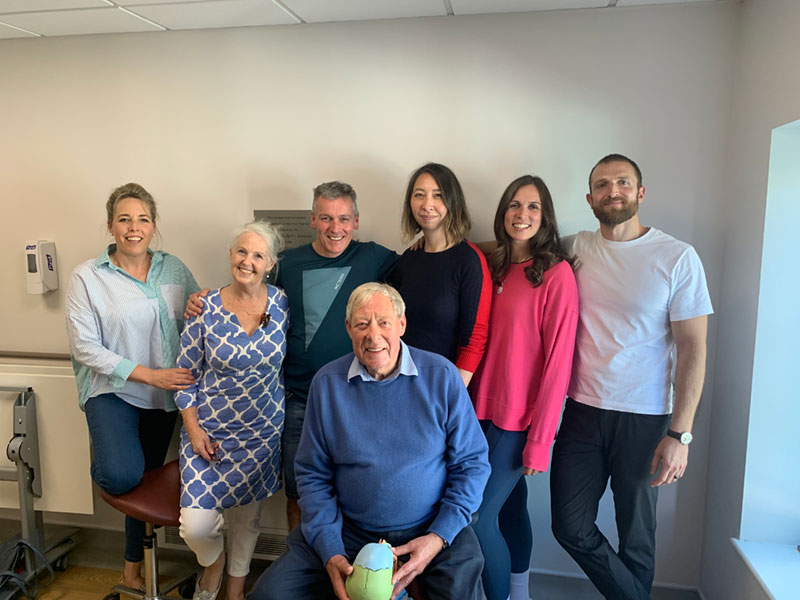
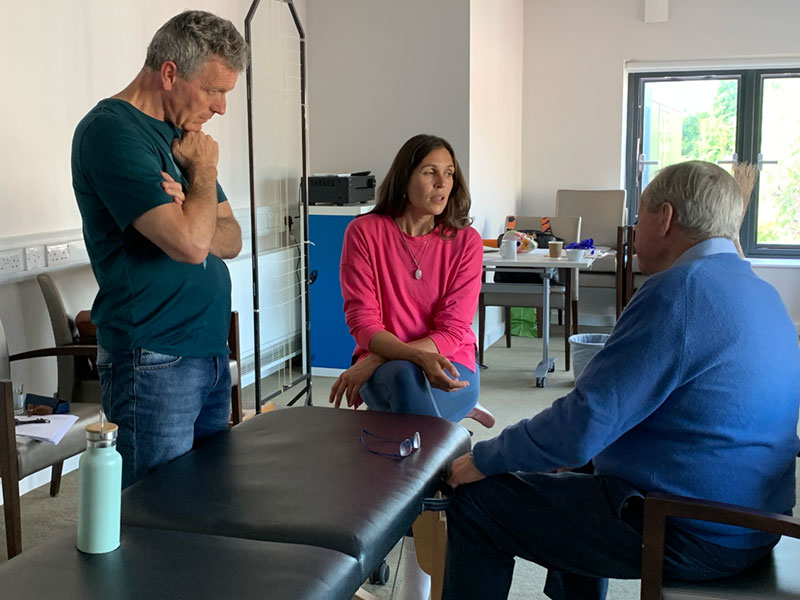
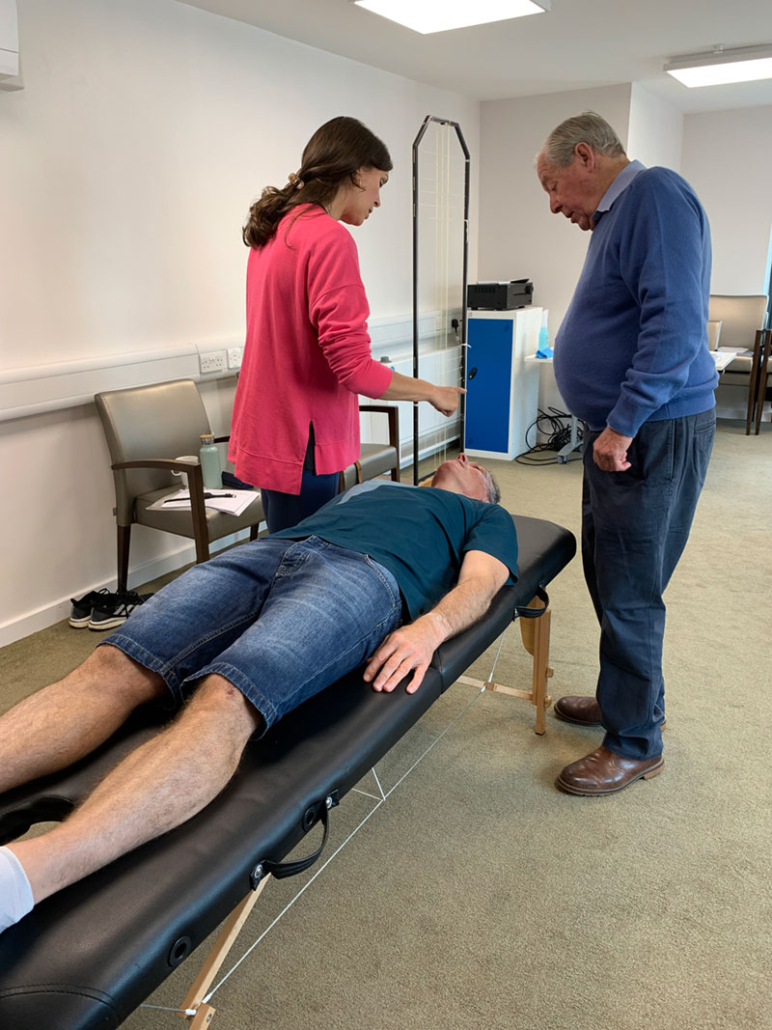
Delivered face-to-face (18 hours), this supervised clinical seminar focuses on the practical integration and refinement of the Howat 8 Step Protocol.
In the UK, Module 8 is delivered over two weekends. Internationally, the seminar is delivered over three consecutive days.
Focus areas include:
- Pre-testing and assessment procedures
- Brain drainage techniques
- Cranial detorque sequences
- Full application of the Howat 8 Step Protocol
- Supervised hands-on refinement
All equipment is provided.
Module 8 is currently delivered in Oxford, UK, at the Oxford Chiropractic Clinic. HPCFD also supports hosted seminars within the UK and internationally.
Where five or more chiropractors register collectively and provide a suitable venue, Tutors may travel to deliver Module 8 at a host location, subject to availability and scheduling.
We welcome enquiries from practices or regional groups interested in organising a seminar. Current dates and venues are listed HERE






Assessment & Certification
To qualify for certification, participants must:
- Successfully complete on-line Modules 1–7
- Attend face-to-face Module 8
- Pass final continuous practical assessment
- Submit clinical case studies
Successful candidates receive:
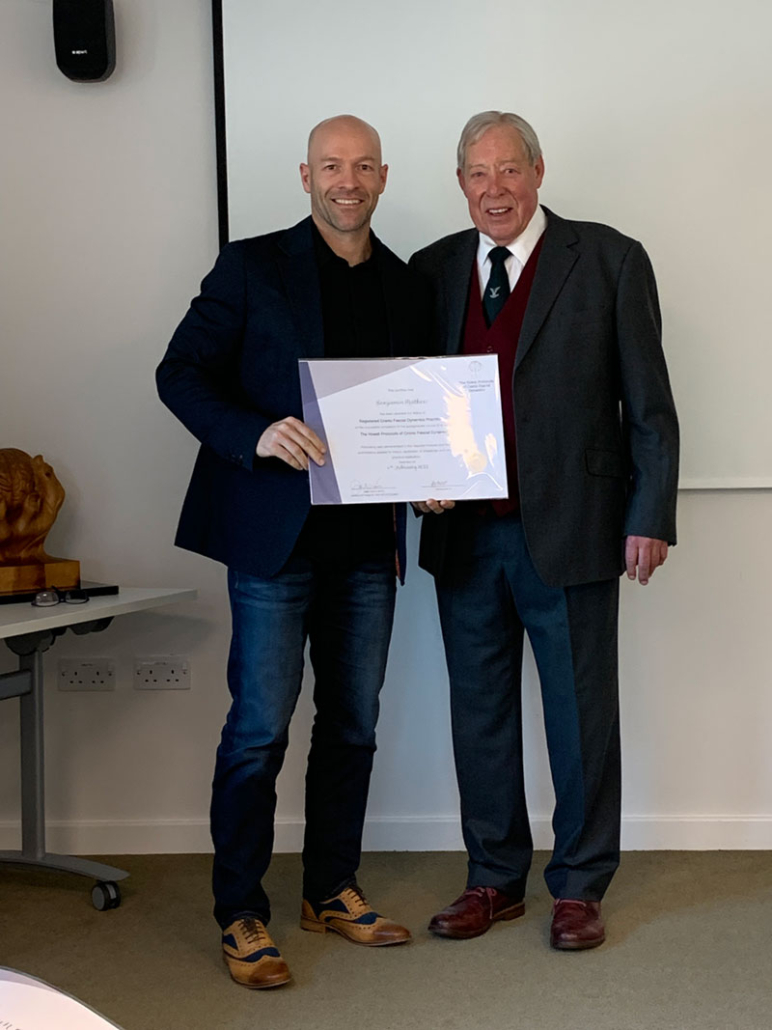
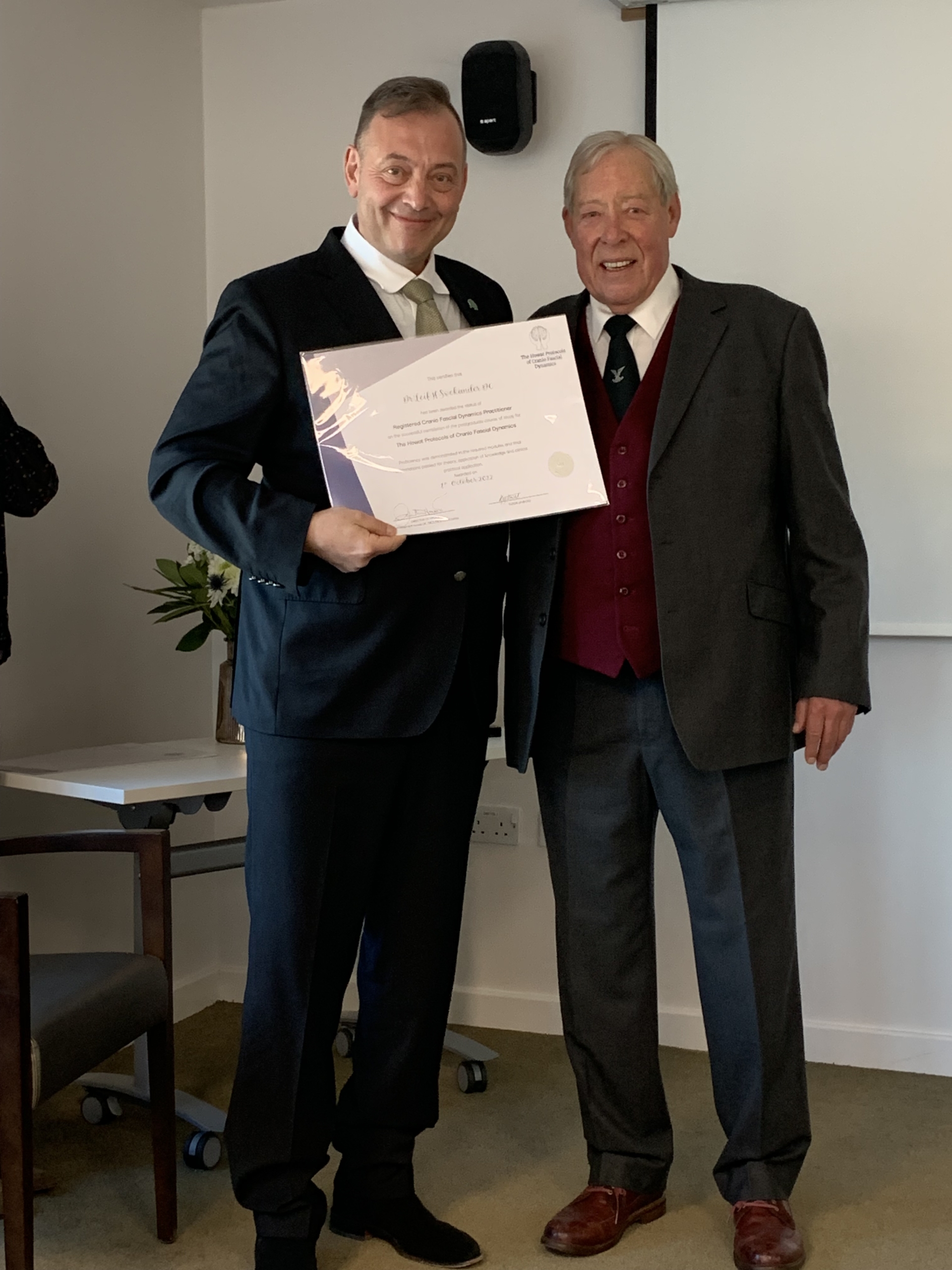
- Certificate of Competency in Cranio Fascial Dynamics
- Listing as a Registered CFD Practitioner
- Full HPCFD Membership
Assessments are internally assessed and may be externally verified.
What the Course Includes
- 7 online theory modules
- 2-day (3 days for international students) practical seminar (Module 8)
- Downloadable handouts and presentations
- Online video demonstrations
- Zoom 1:1 Q&A session
- Assessment and case study review
- Refreshments during practical training
- Final certificate and practitioner listing
Fees
£1,995
Includes all tuition, materials, assessments, and practical training.
Eligibility
Open to certified chiropractic professionals.
Registration details are required at application.
Module Overview
All equipment is provided for Module 8 practical sessions. Teaching is supported by Jonathan Howat’s published works, online video demonstrations, and high ratio tutor to student supervision during the face-to-face training.
A detailed daily schedule and reading list is provided upon enrolment.
🔷 Module 1
Introduction to Cranio Fascial Dynamics
Explores embryological mesenchyme development (from day 18) and its relationship to the dural meningeal system and central nervous system.
Theory
• Anatomy and physiology underpinning CFD
• History, vision, and clinical definition
• Embryogenesis, birth mechanics, and skeletal change
• Mechanical relationships between cranium, fascia, pelvis, vascular and dental systems
• Integration of CFD into chiropractic adjustments
Practical
• Cranial scanning (ascending and descending assessment)
• Identification of key CFD landmarks
🔷 Module 2
Cranial Anatomy & Physiology
Examines the cranium as a functional, dynamic structure influenced by fascial mechanics.
Theory
• Cranial bone anatomy
• Cardiac and respiratory cranial rhythms
• Dural membrane dynamics
• Patterns of cranial distortion
• Pelvic, vascular, dental, and trauma relationships
Practical
• Cranial landmark assessment
• Recognition of distortion patterns
• Intraoral anatomy, TMJ, and stomatognathic system
• Physiological cranial corrections and integrated handholds
🔷 Module 3
Cranio-Pelvic Dynamics
Explores pelvic reciprocity with the cranium and cranio-spinal dural torque patterns.
Theory
• Mechanical relationships between CFD and pelvic stability
• Influence of traumatic torque on sacroiliac and lumbosacral dynamics
Practical
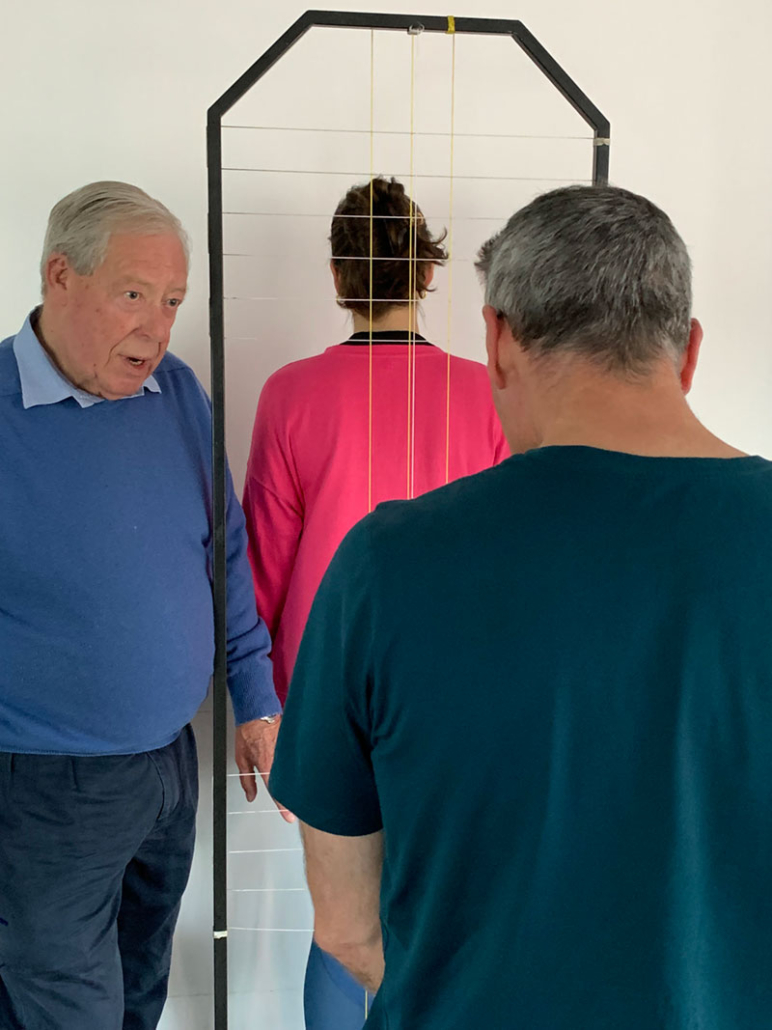
• Clinical diagnostic methods (plumb line, muscle testing, blocking)
• Assessment of three forms of pelvic instability
🔷 Module 4
Cranio-Vascular Dynamics
Focuses on venous sinus dynamics, CSF flow, ventricular relationships, and cranial drainage.
Theory
• Mechanical relationships between CFD and cerebral circulation
• Haemodynamic motion patterns
Practical
Steps 1–4 of the Howat 8 Step Protocol (Venous Sinus Drainage)
Preparation includes:
• Cervical spine mobilisation
• Atlanto-occipital integration
• Temporal, occipital, and sphenoid assessment
• Temporal detorque sequencing
🔷 Module 5
Cranio-Dental Dynamics
Examines occlusion, TMJ dysfunction, and their relationship to cranio-fascial balance.
Theory
• Stomatognathic system mechanics
• Cranial nerve relationships
• Major and minor malocclusions
• Neurological tooth assessment
Practical
• TMJ scanning
• Correction of identified neurological tooth patterns
🔷 Module 6
Internal Brain Dynamics
Explores ventricular relationships, brainstem torque, and central neurological pathways.
Theory
• Structural and functional relationships between CFD and the brain
• Trauma and its potential influence on cranial dynamics
Practical
Steps 5–8 of the Howat 8 Step Protocol
• Cavernous sinus drainage
• Mandibular deviation correction
• Jugular foramen correction
• Cranial de-torque sequencing
• The Howat Sweep
🔷 Module 7
Traumatic Brain Injury Dynamics
Examines external forces influencing cranial motion patterns and tentorial relationships.
Theory
• Relationships between TBI, CTE, and craniofascial dynamics
• Normal counter-clockwise motion patterns
• Diaschisis vs necrosis differentiation
Practical
• Full 8 Step Protocol review
• Mock clinical assessments in supervised groups
🔷 Module 8
Clinical Practical Seminar (18 Hours)
A supervised face-to-face intensive focused on clinical integration.
Theory
- Three phases of assessment and correction
- Four phases of brain drainage
- Four phases of cranial de-torque
Practical
Pre-testing procedures:
- Plumb-line assessment
- Cranial scanning
- Supine testing
• Pelvic orientation confirmation
• Jugular foramen testing
• Clockwise and counter-clockwise torque testing
Full application of the Howat 8 Step Protocol:
- Steps 1–4: Brain drainage
- Steps 5–8: Cranial detorque
Our aim is for participants to leave with practical confidence and clinical integration skills.